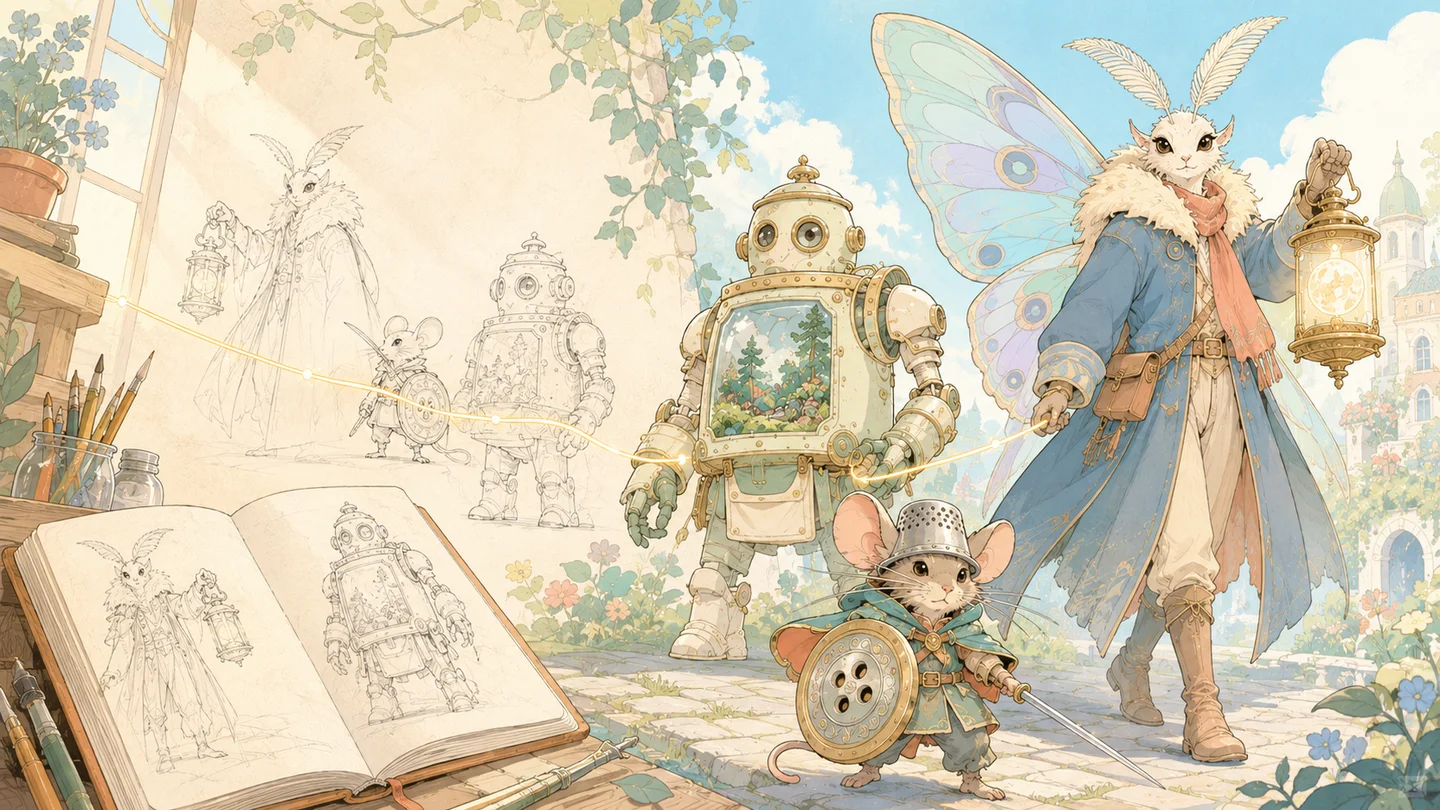
An original character often begins with one exciting detail: an unusual silhouette, a job that changes the way they dress, or a power with a visible cost. The difficult part is turning that first detail into a character who feels distinctive instead of looking like another fire mage, horned demon, or black-haired assassin.
This collection includes 100 new OC ideas you can adapt freely for personal character creation, followed by 20 OC drawing ideas for characters you already have. Each new concept includes something concrete to draw—a material, prop, body feature, costume function, or transformation—so you can use it for writing, sketching, roleplay, adoptables, or an OC maker.
Some readers need ideas for OCs they have not created yet; others already have a character and need a new scene, outfit, or expression to draw. The two parts below keep those goals separate. The first 100 concepts work as free OC ideas to customize, while the last 20 also work as reusable OC sketch ideas.
These are starting points, not finished characters. Change the name, gender, palette, species, history, abilities, and setting until the result belongs to your world. The concepts are free to adapt, but any finished example artwork made by another creator remains their work.
Unique OC Ideas
These unique OC ideas combine recognizable archetypes with unusual materials, professions, or limitations. They are designed to create a clear visual identity before you write a long backstory.
1. Jellyfish Storm Courier
A floating deep-sea courier predicts storms through the changing colors of their translucent body. Ribbon-like tentacles hold waterproof letters, while a glass compass hangs beneath a bell-shaped hood. Every message delivered above the surface makes their natural glow a little dimmer, forcing them to choose which journeys are worth the risk.
2. Mineral Avatar
This humanoid formed inside an abandoned mine, with crystal plates growing over a dark stone skeleton. Different emotions change the mineral spreading across their body: smoky quartz when afraid, bright citrine when hopeful, and sharp obsidian when threatened. Their clothing is built from leather straps and open frames that leave room for new crystal growth.
3. Glitch Archive Keeper
A digital archivist protects files erased from a collapsing virtual city. Parts of their face skip between expressions, damaged windows hover around their sleeves, and broken text trails behind every movement. They can restore corrupted memories for other people, but each repair permanently deletes one small piece of their own past.
4. Porcelain Marionette Exorcist
Protective seals are painted across the ball joints of this porcelain marionette. Spectral strings appear above them whenever a possessed object is nearby, allowing the character to trace a spirit back to its source. Every successful exorcism leaves another gold-filled crack across their body, turning past battles into visible decoration.
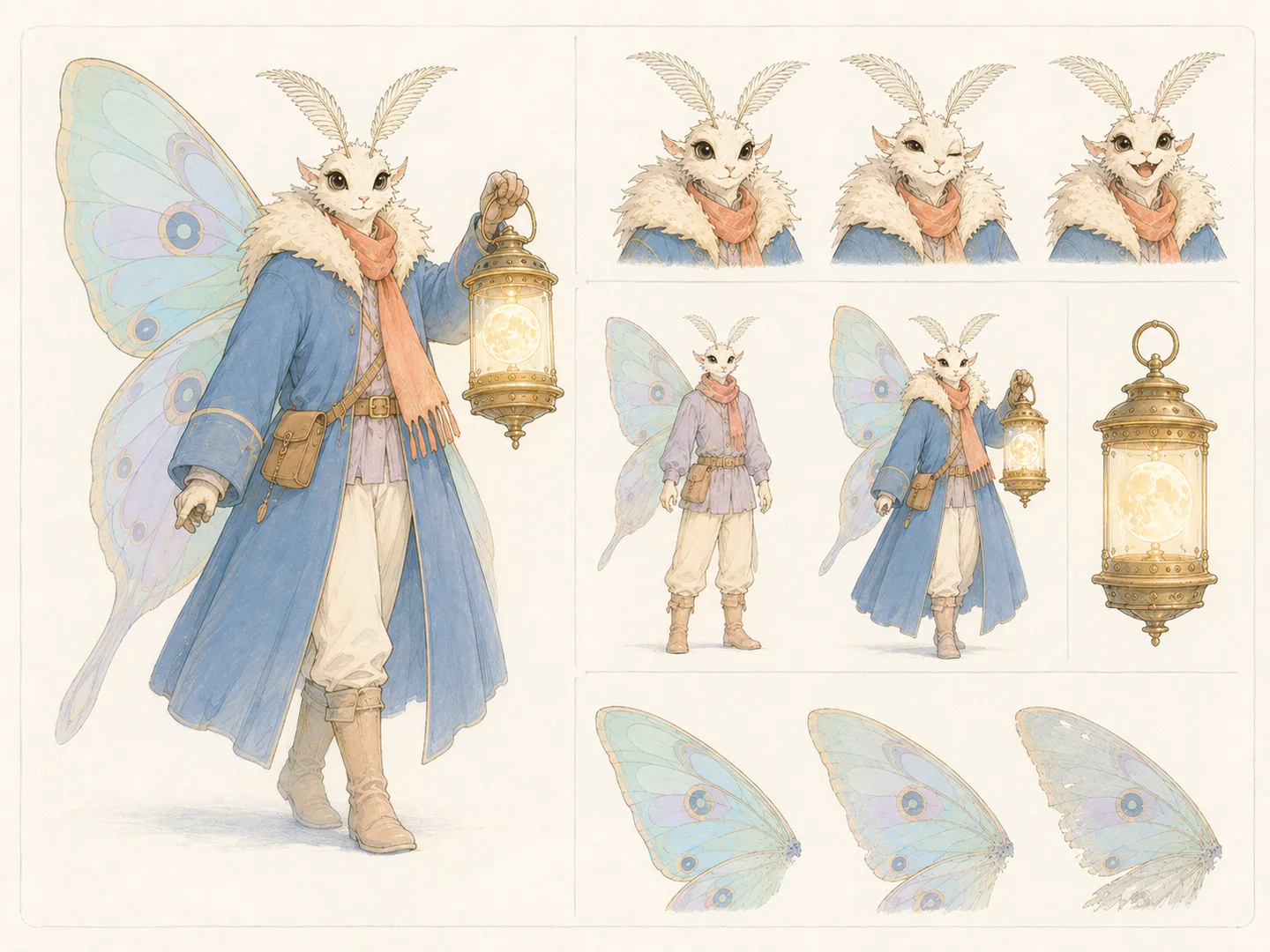
5. Moth Lamplighter
A nocturnal lamplighter has soft antennae, a fur-lined collar, and wings patterned after a lunar moth. They carry brass lanterns filled with captured moonlight and use the glow to guide lost travelers through supernatural fog. Each lantern slowly fades the markings on their wings, so they become less recognizable every night they work.
6. Inky Cap Tattoo Archivist
An inky cap mushroom person records endangered stories as moving tattoos. Black ink drips from the edge of their cap into glass pens, and illustrated scenes travel across their arms when a story is told aloud. Heavy rain can blur the archive, making waterproof sleeves and waxed paper charms essential parts of the design.
7. Radio-Head Weather Prophet
An old tabletop radio replaces this prophet’s head. Their antennae bend toward approaching storms, the tuning dial changes with their mood, and fragmented forecasts play through a cracked speaker. They wear a coat covered with weather maps and carry copper rods that attract lightning away from nearby villages.
8. Eclipse Clockmaker
A clockmaker born during an eclipse wears a rotating sun-and-moon dial behind their head. One half of the costume reflects warm gold light while the other absorbs it into deep blue fabric. They can pause a single object for a few seconds, but the lost time reappears later as sudden rust, fatigue, or rapid plant growth.
9. Constellation Shepherd
This quiet shepherd cares for small animal-shaped constellations that descend from the night sky. A hooked staff gathers loose starlight, while silver threads connect each creature so it does not drift away. Missing stars leave dark holes in the shepherd’s cloak, creating a changing map of every creature they have failed to protect.
10. Black-Hole Tailor
A cosmic tailor makes protective clothing from fabric that absorbs heat, light, and sound. Their spool case resembles a miniature solar system, and the edges of their coat distort nearby patterns. The garments are powerful, but every finished piece becomes heavier as it collects energy, eventually pulling its wearer toward the ground.
11. Prism Glass Dancer
A dancer with a translucent glass body refracts stage lights into ribbons of color. Thin metal braces protect the joints, while repaired fractures form bright geometric lines beneath the surface. Strong emotions change the angle of the internal prisms, making the character’s palette shift during every performance.
12. Nebula Perfumer
This perfumer bottles colored gases gathered from dying stars. Their hair floats like a violet nebula, and small orbiting bottles release scents that trigger vivid dreams. Mixing incompatible gases creates tiny gravity wells, so the character’s gloves and belt are designed to lock dangerous bottles apart.
13. Walking Chapel Spirit
A forgotten roadside chapel awakens as a slow-moving stone spirit. Stained-glass windows become expressive eyes, the bell tower forms a horn, and ivy hangs across broad shoulders. Travelers can rest inside the hollow body, but every new guest leaves behind a memory that changes the colors of the windows.
14. Memory Tattoo Artist
A tattoo artist uses luminous ink to store moments people are afraid to forget. Finished tattoos move gently across the skin and replay fragments of sound when touched. The artist’s own body is almost completely covered with abandoned memories, making it difficult to distinguish personal experiences from those donated by clients.
15. Dream Therapist With Moth Familiars
Tiny moth familiars collect nightmares from sleeping clients and carry them into labeled glass jars. The therapist wears a soft layered coat shaped like folded bedding, with crescent spectacles and a pillow-like medical bag. If too many nightmares escape at once, their patterns appear across the therapist’s face and clothing.
16. Baker With an Independent Shadow
A village baker’s shadow has developed its own personality and continues working after sunset. It kneads dough, steals ingredients, and shapes pastries into warnings about future events. The baker wears a flour-covered apron with bright stitching so customers can tell the real figure from the flat black assistant.
17. Living Spacesuit Explorer
An empty exploration suit has become a living organism after decades on an alien moon. Its visor displays shifting eyes, cables behave like tendons, and a small ecosystem grows inside the oxygen tank. It collects objects left by human explorers and arranges them around its body in an attempt to understand who once wore it.
18. Clay Kintsugi Healer
A healer made from fired clay repairs injuries with glowing seams of liquid gold. Their ceramic medical tools fit into molded compartments along the forearms, and every difficult treatment produces a matching crack on their own body. Instead of hiding these repairs, they display them as a record of lives saved.
19. Sand Librarian
This desert librarian protects books whose pages have crumbled into sentient sand. Their robe is weighted with glass panels, and a large hourglass backpack keeps loose sentences from blowing away. When a reader requests a story, the sand briefly forms letters in the air before returning to the container.
20. Postal Worker for Imaginary Friends
A brightly dressed postal worker delivers letters to imaginary friends that adults can no longer see. Crayon drawings become address labels, colorful envelopes float around an oversized mailbag, and every invisible recipient leaves a different charm on the uniform. The character begins to fade whenever children stop believing in the service.
Cute OC Ideas
Cute OC ideas work best when the character has more than a pastel palette. Give the design a small-scale job, an oversized prop, or a physical feature that naturally creates a friendly silhouette.
21. Axolotl Adventurer
A cheerful axolotl explorer maps flooded ruins with a bubble-shaped helmet and a waterproof backpack. Their feathery external gills change color when danger is close, while a broad tail helps them steer through submerged corridors. Because they can regenerate, they treat frightening expeditions with an optimism that worries the rest of the team.
22. Raccoon Relic Burglar
A masked raccoon thief steals cursed relics before more dangerous criminals can find them. Their enormous patch-covered backpack jingles with keys, seals, and objects that occasionally try to escape. The raccoon insists every theft is an act of public service, even though they also keep anything shiny enough to match the collection.
24. Frog Rain Duelist
This compact frog duelist appears whenever the first rain reaches a dry village. A folded leaf serves as a broad hat, water gathers along a reed sword, and webbed feet create a low, spring-loaded stance. They challenge anyone who wastes water, but accept payment in insects rather than coins.
25. Croissant Sheep Guardian
A foodimal guardian combines the curled silhouette of a sheep with layers of warm pastry. Flaky golden wool puffs up when the creature senses danger, while jam-filled horns leave bright red marks on anything they strike. It protects a magical bakery at night and sleeps inside the cooling oven after sunrise.
26. Candy Glass Alchemist
A small alchemist with a translucent sugar-crystal body mixes potions from syrups, powdered fruit, and edible minerals. Their rounded coat pockets resemble wrapped sweets, while heat-resistant gloves prevent accidental melting. Every potion tastes wonderful, but the most powerful mixtures leave a new color permanently trapped inside the character’s glassy body.
27. Cabbage Hedgehog Scout
This vegetable-animal scout has overlapping cabbage leaves instead of spines. The leaves unfold into camouflage, rain collectors, or a tiny sleeping tent. They carry seed packets in a belt around their round body and secretly plant emergency gardens along every route they explore.
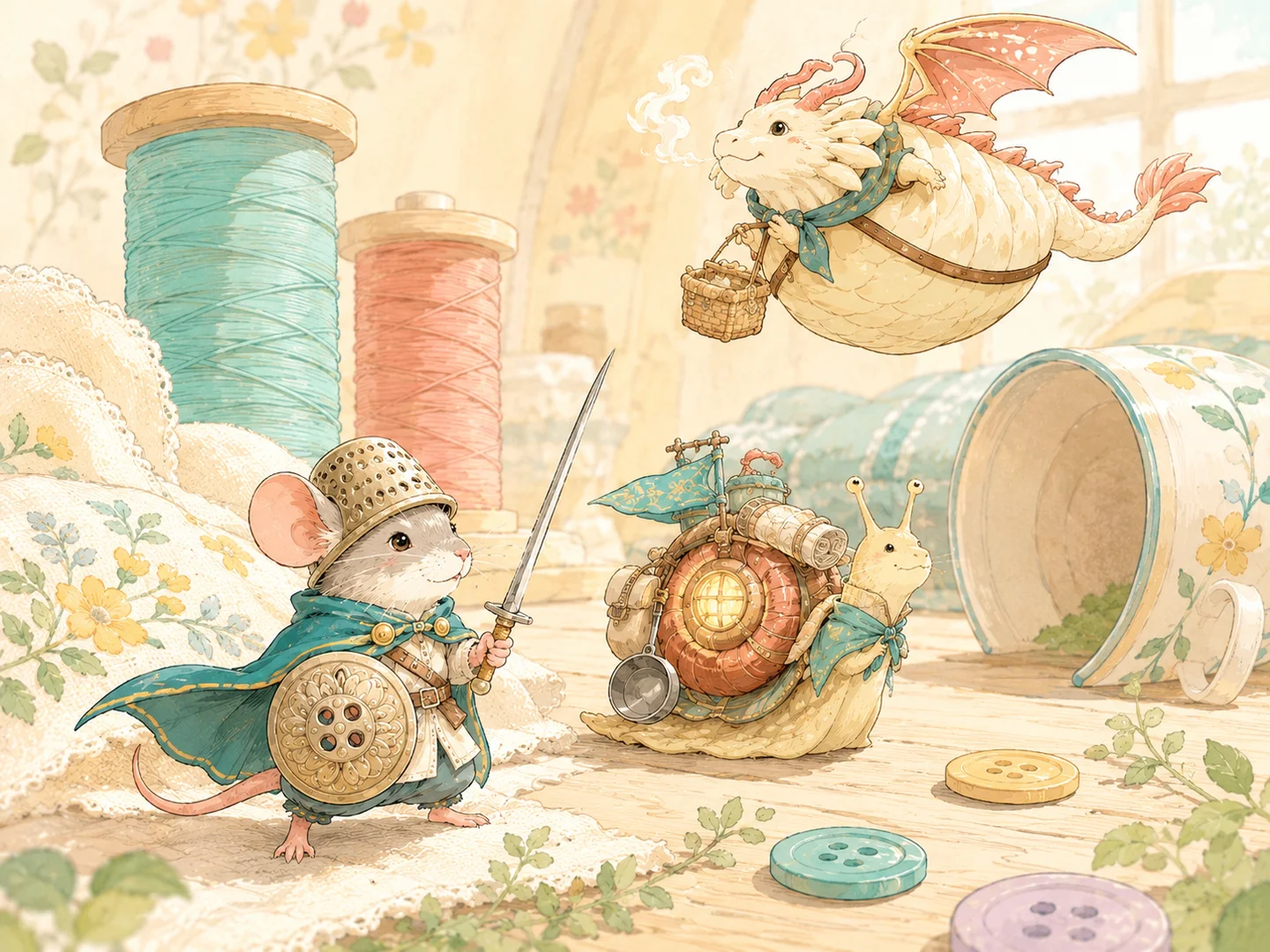
28. Snail Backpacker
A patient snail traveler has converted their shell into a miniature mobile campsite. Maps, cooking pans, flags, and souvenirs cover the exterior, while a tiny lamp glows through a round window. The character moves slowly but always arrives with exactly the tool or story that faster adventurers forgot to bring.
29. Sea Bunny Apothecary
A fluffy-looking sea-bunny humanoid gathers medicine from coral gardens. Soft rhinophores resemble rabbit ears, translucent skin glows in gentle pastel colors, and waterproof bottles hang from a short apron. Their remedies are effective but have odd temporary side effects, such as glowing freckles or bubbles appearing with every word.
30. Hermit Crab Innkeeper
A hermit crab carries a small traveling inn instead of an ordinary shell. The building has a front door, a chimney, and several mismatched windows for tiny guests. Keys hang from one claw, while the other balances a tea tray. The inn changes location every morning, often surprising travelers who planned to stay longer.
31. Cloud Sheep Weather Keeper
A round sheep spirit grows clouds instead of wool. Small brass weather vanes are tied around its horns, and different cloud textures predict rain, snow, or clear skies. When nervous, the character accidentally fills nearby rooms with fog; when excited, harmless sparks dance across the fleece.
32. Strawberry Bat Baker
A fruit bat baker has leaf-shaped ears, berry-colored wings, and an apron dusted with pink flour. They hang upside down while decorating cakes and use echolocation to judge whether bread has finished rising. Their specialty pastries attract tiny nocturnal creatures that gather outside the bakery every evening.
33. Bumblebee Blacksmith
A sturdy bumblebee blacksmith uses wing-powered bellows and carries hot metal with heat-resistant forelegs. Their striped apron is reinforced with honey-colored resin, and the round silhouette contrasts with an oversized hammer. Every finished weapon hums at a different musical note when swung.
34. Moss Turtle Gardener
A slow turtle gardener carries a miniature wetland across its shell. Moss, mushrooms, and tiny flowers change with the seasons, while a wooden watering can hangs beneath the shell’s rim. The turtle never removes weeds immediately because some of them may grow into useful magical plants.
35. Dumpling Dragon Courier
A palm-sized dragon with a round dumpling-shaped body delivers notes between restaurant kitchens. Steam escapes from its nostrils, pleated dough-like scales run along its back, and a bamboo basket works as both saddlebag and bed. It becomes faster after eating spicy sauce but much harder to steer.
Male OC Ideas
These male OC ideas use profession, age, body type, species, and costume function to create variety. They avoid relying on the same slim anime boy, black coat, white hair, or unexplained scar.
36. Gargoyle Bell Keeper
A broad stone gargoyle maintains the bells of an ancient cathedral. Rope marks cross his hands, moss grows in the cracks of his folded wings, and different metal tuning forks hang from a heavy work belt. Although he looks intimidating, he can identify every citizen by the rhythm of their footsteps below the tower.
37. Masked Knight Botanist
A quiet knight studies plants growing on abandoned battlefields. His helmet has a glass greenhouse visor, seed containers replace ammunition along his belt, and vines climb through openings in his reclaimed armor. He fights only when necessary, using a shield that unfolds into a portable planting frame.
38. Android Tailor
A precision tailoring android has interchangeable sewing fingers, a glowing thread spool in his chest, and measuring tape printed along both arms. Fabric samples form a layered cape that changes daily. He was built to produce identical uniforms but secretly experiments with asymmetry, repaired garments, and clothes shaped around nonhuman bodies.
39. Plague Doctor Beekeeper
A male plague doctor raises unusual bees whose honey can reveal illness. The beekeeper veil attaches to a long birdlike mask, hexagonal medicine boxes cover his coat, and a brass smoker disperses both insects and healing herbs. He is immune to the bees’ venom but slowly develops their black-and-gold markings.
40. Antlered Monster Apothecary
A gentle forest monster runs an apothecary from a coat lined with drawers. Medicinal plants grow along his antlers, long clawed hands are wrapped for delicate work, and small bottles hang between patches of fur. The plants react to his emotions, blooming when he feels calm and releasing defensive spores when he is threatened.
41. Deep-Sea Merman Mechanic
A muscular merman repairs research stations on the ocean floor. Bioluminescent fins light his work, a mechanical tail brace supports an old injury, and tools lock into a harness across his torso. He can survive enormous pressure but becomes weak near the bright, warm surface.
42. Centaur Astronomer
An elderly centaur carries a folding observatory across his back. Star charts cover a long coat draped over the horse body, and a rotating telescope replaces traditional saddlebags. He spends years following the same celestial event across different countries, recording how each culture interprets it.
43. Steampunk Explorer With Map Tattoos
A lean explorer has animated map lines tattooed across his arms and shoulders. The markings redraw themselves as he enters unknown territory, while a brass compass prosthetic points toward places that have disappeared from ordinary maps. Too much unexplored land causes the lines to spread painfully across his face.
44. Werewolf Barber
A stylish werewolf barber specializes in hair, fur, horns, feathers, and other difficult supernatural grooming. Moon-phase scissors hang from his vest, one sleeve is reinforced against claws, and his own mane changes shape throughout the month. On the full moon, customers must guide him through appointments using written instructions.
45. Goblin Subway Mechanic
A short, heavy-set goblin keeps a magical subway running beneath the city. His goggles reflect tunnel lights, old tickets decorate a patched work jacket, and an oversized wrench doubles as a staff for controlling rail spirits. He knows every abandoned station but refuses to explain who still waits at them.
46. Vampire Night-Shift Florist
A pale vampire florist grows plants that open only after sunset. His sleeves are lined with dark soil, silver pruning tools hang from a leather apron, and flower pollen adds unexpected color to an otherwise restrained outfit. He cannot enter daylight, so morning customers collect bouquets through a rotating delivery cabinet.
47. Scarecrow Village Doctor
A scarecrow physician has straw-filled limbs, a stitched burlap face, and a medical coat repaired with pieces of old farm clothing. Medicinal herbs grow inside his chest cavity, but each treatment removes some of the stuffing holding him together. Local birds bring replacement straw in exchange for care.
48. Stone Golem Chef
A massive stone golem works as a patient pastry chef. His palms remain naturally warm, carved measuring marks run along his fingers, and a flour-covered apron softens the square silhouette. Tiny assistants climb wooden steps built into his body to reach the mixing bowls balanced on his shoulders.
49. Ghost Orchestra Conductor
A formal conductor leads an orchestra whose musicians died in different centuries. His transparent body flickers between historical uniforms, and the baton leaves glowing musical lines in the air. He can keep the spirits visible only while music continues, so a broken string or missed note can make an entire section disappear.
50. Paper-Familiar Witch
A male witch folds contracts, letters, and discarded sketches into paper familiars. His layered coat resembles overlapping pages, ink stains spread across his fingers, and a satchel carries unfinished creatures. Rain is his greatest enemy because soaked familiars lose their instructions and begin following the nearest written command.
Fantasy and Dark OC Ideas
These fantasy OC ideas give familiar warriors, witches, spirits, and elemental characters a more specific role. Several also use an ability cost so the character’s power affects both story and appearance.
51. Dragon Postal Worker
A young dragon delivers fragile packages across mountain kingdoms. Flight goggles protect large expressive eyes, wax seals decorate a reinforced mail harness, and heatproof compartments keep accidental sparks away from paper. The dragon can cross huge distances quickly but must land whenever curiosity about a parcel becomes too distracting.
52. Mushroom Spore Fighter
An inky mushroom fighter wears a broad cap like a natural helmet and wraps fungal threads around a wooden staff. Different spores create sleep, confusion, healing, or temporary armor. Using too many causes parts of the fighter’s body to lose color, so small specimen jars track how much power remains.
53. Pangolin Wuxia Defender
A pangolin martial artist uses overlapping scales as flexible armor. A long sash emphasizes circular movement, metal rings protect the claws, and the tail becomes a sweeping defensive weapon. Rather than attacking first, the defender curls around weaker travelers and turns an entire body into a shield.
54. Carnivorous Plant Healer
A humanoid pitcher plant serves as a battlefield healer. Hanging cups store medicinal rainwater, vine arms form emergency splints, and bright warning colors make the silhouette impossible to miss. The healer must consume harmful magic removed from patients, gradually developing darker leaves after every treatment.
55. Ghost of an Abandoned Theater
The last performer from a ruined theater still rehearses beneath a spectral spotlight. Torn curtains form a cape, old playbills drift around the translucent body, and expressions change like painted stage masks. The ghost can become solid only while someone is watching, making an empty audience more frightening than any exorcist.
56. Grief Emotion Avatar
This living embodiment of grief has a body made from slow-moving rainwater. A heavy cloak traps objects left by mourners, while a cracked mask absorbs tears and repairs itself. The avatar comforts others by taking away some pain, but becomes physically larger and harder to move with every memory collected.
57. Stained-Glass Fallen Angel
An angel has wings made from colored glass held inside dark metal frames. Missing feathers appear as empty window spaces, and sunlight projects fragments of forgotten symbols across the ground. Each lie causes another glass panel to crack, while honest confessions slowly fuse the pieces together.
58. Ash Elemental Firefighter
An ash-bodied firefighter enters magical blazes that would kill ordinary rescuers. Embers shine through cracks in a heavy protective coat, smoke pours from the helmet vents, and water equipment is carried at a careful distance. Every fire absorbed makes the character hotter and less solid until they can cool inside a stone chamber.
59. Ice Elemental Glassblower
An ice elemental shapes molten glass while their own arms slowly melt beside the furnace. Heat-resistant metal braces preserve the silhouette, and cooled glass ornaments replace pieces that cannot regenerate. The finished work contains frost patterns unique to the emotion felt while making it.
60. Smoke Elemental Detective
A detective formed from dark smoke can enter locked rooms through narrow gaps. A long coat and metal collar keep the body in human form, while clues appear as temporary shapes inside the vapor. Strong wind scatters both the detective and any evidence being carried, making outdoor investigations especially dangerous.
61. Witch Laundromat Owner
A modern witch removes curses through an all-night laundromat. Washing-machine doors are painted with protective circles, loose socks become tiny familiars, and different detergents erase jealousy, bad luck, or lingering ghost energy. One broken machine holds a curse too dangerous to release, so it remains chained shut behind the counter.
62. Drowned Opera Singer
A drowned singer returns with seawater floating around their hair and pearls embedded along the throat. Their voice summons ghostly stage scenery and echoes through any nearby water. Every performance makes the character briefly remember the final song that caused the shipwreck, but never the face of the person they were singing to.
63. Haunted Armor Florist
An empty suit of armor runs a flower stall beside a cemetery. Vines grow through the joints, bouquets replace weapons in the back scabbard, and flower colors shift around different spirits. The armor has no voice, communicating through arrangements that customers gradually learn to read.
64. Tarot Card Knight
A knight draws armor and weapons from an enchanted tarot deck. Pulling the Tower creates broken stone plating, the Moon produces reflective silver cloth, and the Hermit summons a lantern shield. The knight cannot choose the next card, forcing every battle to be solved with an unpredictable silhouette and set of tools.
65. Storybook Arena Champion
A fighter trapped inside an unfinished fairytale tears pages from the book to create armor. Illustrations become temporary weapons, handwritten corrections alter the costume, and blank spaces appear across the body whenever too much of the story is used. Winning the arena means surviving long enough to write a new ending.
Sci-Fi and Non-Human OC Ideas
Sci-fi OCs become more memorable when technology has a visible purpose. Instead of adding random neon lines, decide what each screen, prosthetic, container, wing, cable, or mechanical limb actually does.
66. Robot Gardener
A weathered gardening robot has a watering arm, seed drawers in its torso, and leaf-shaped solar panels across its back. Moss grows over parts the machine can no longer reach. It was programmed to maintain a public park that no longer exists, so it now plants small gardens wherever displaced people begin rebuilding.
67. Space Pirate Cartographer
A space pirate maps unstable routes that appear between collapsing stars. One mechanical eye projects navigation lines, a dark cape doubles as a flexible star chart, and a folding instrument orbits the wrist. The maps are tattooed with disappearing ink because every route changes after it has been traveled.
68. Biomechanical Dragonfly Ranger
A nonhuman ranger combines a narrow armored body with four transparent mechanical wings. Large compound-eye lenses track movement in different directions, while a collapsible energy bow locks along the spine. Flying at maximum speed overheats the artificial wings, forcing the ranger to land near water between pursuits.
69. TV-Head Signal Botanist
A screen-headed botanist grows plants that feed on radio signals rather than sunlight. Antennae sprout leaves, the face changes through simple pixel expressions, and cables connect greenhouse trays to a battery pack. Strong broadcasts make the plants bloom rapidly, but unwanted messages sometimes appear inside the flowers.
70. Computer Virus Exorcist
A cybernetic exorcist hunts malicious programs that behave like supernatural spirits. Warning symbols cover a layered coat, code scrolls hang from a data-drive belt, and isolated viruses crawl inside transparent containers. Each infection removed leaves a new visual error on the exorcist’s body, including duplicated fingers or missing sections of color.
71. Alien Aquarium Diplomat
An aquatic alien visits dry planets inside a clear water-filled helmet shaped like a small aquarium. Bioluminescent gills communicate emotion, translator organisms swim around the head, and formal robes are weighted to move naturally in air. If the water becomes polluted, the translator begins turning diplomatic phrases into accidental insults.
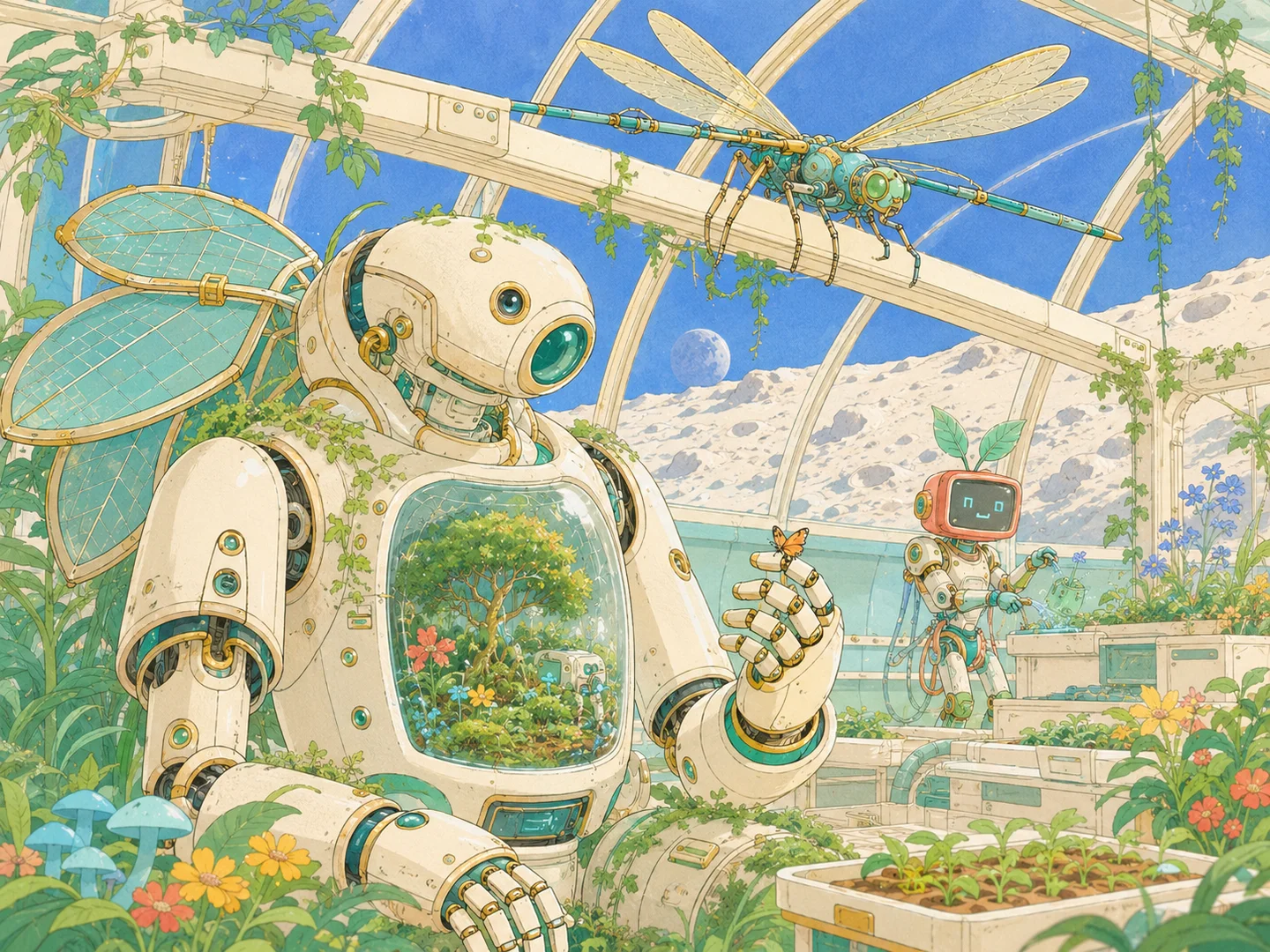
72. Terrarium-Chest Service Robot
A retired service robot carries a self-contained forest inside its transparent chest. Tiny plants filter the cooling system, insects repair internal wiring, and roots replace several damaged cables. The robot protects this ecosystem like a family and accepts new passengers only if they can contribute a seed.
73. Lunar Greenhouse Keeper
A greenhouse technician maintains the last collection of Earth plants on a moon colony. A transparent backpack controls humidity, crescent-shaped tools attach to the sleeves, and pale vines wrap around a lightweight pressure suit. The keeper secretly allows several plants to mutate under lunar radiation rather than destroy them as ordered.
74. Satellite-Head Weather Observer
An autonomous weather observer has a rotating satellite dish for a head and folding solar panels along the shoulders. Small screens across the coat display wind, pressure, and radiation. After years without human contact, the machine begins interpreting weather patterns as emotions and sending forecasts written like personal letters.
75. Lightning Prosthetics Engineer
An engineer made partly from electrical plasma builds responsive prosthetic limbs. Current flows through transparent hair, insulated gloves reach the elbows, and batteries line a heavy tool belt. The engineer can power every device in the workshop but loses memories when too much electricity passes through the nervous system at once.
76. Acid Graffiti Artist
A neon acid elemental paints temporary murals across a tightly controlled industrial city. A protective streetwear suit contains the liquid body, respirator tubes release colored vapor, and spray cans are replaced by corrosion-resistant nozzles built into the fingers. The art disappears by morning but exposes hidden messages beneath the walls.
77. Hologram Ghost Repair Technician
A technician died during the installation of a citywide hologram network and now exists inside it. Tool icons orbit a semi-transparent body, clothing changes with corrupted advertisements, and the face loses resolution outside signal range. They repair public projections while searching for the server that contains the missing parts of their personality.
78. Coral Armor Conservator
An amphibious conservator restores living coral armor once worn by an extinct ocean civilization. Healthy sections glow with color, damaged plates appear pale and brittle, and delicate restoration tools attach to webbed fingers. The armor grows slowly into the wearer’s skin, making every successful repair more difficult to remove.
79. Anglerfish Lighthouse Keeper
A deep-sea anglerfish humanoid guides submersibles through a trench filled with false lights. Their natural lure hangs above a broad hood, reflective markings cover a pressure-resistant coat, and a belt carries replacement glass lenses. The keeper must dim their own light when predators imitate the signal.
80. Octopus Marionette Artist
An octopus performer controls an entire puppet company using eight precise arms. Theater sleeves divide into flowing panels, ink creates stage smoke, and each puppet represents a different emotion the performer has difficulty expressing directly. When several puppets disagree, the character’s body color reveals which feeling is actually in control.
Fandom OC Ideas
Fandom OCs work best when they follow the world’s rules without borrowing a canon character’s face, family, title, or signature ability. The following concepts are unofficial fan-character starting points. Change their details freely and avoid presenting them as canon.
81. Demon Slayer OC: Echo Breathing Cartographer
A traveling Demon Slayer maps mountain routes where people have disappeared. Echo Breathing uses measured footwork and sound reflected from the landscape, while the Nichirin blade has ring-like markings similar to a tuning fork. A topographic haori shows overlapping contour lines, but loud environments can overwhelm the user’s unusually sensitive hearing.
82. Demon Slayer OC: Wisteria Glass Demon
This demon’s Blood Demon Art grows translucent wisteria-shaped glass from walls and floors. The flowers can trap movement and scatter moonlight into deceptive copies of the demon, but they become brittle near real wisteria. Crystalline veins spread across the body whenever the power is used, creating a beautiful design that also shows its limit.
83. MHA OC: Prism Relay Hero
This hero’s Quirk allows crystal patches on their skin to catch and redirect light. A segmented costume exposes controlled reflective surfaces while protective shutters prevent accidental flashes. The hero can create signals, illusions, or concentrated beams, but overheating clouds the crystals and temporarily reduces vision.
84. MHA OC: Paper Hive Villain
A villain produces small paper insects from layers of skin along the arms. The swarm can carry messages, cover cameras, form decoys, or slice weak materials. Their costume resembles a damaged office uniform with honeycomb storage panels, while heavy rain and dehydration quickly destroy both the swarm and the user’s stamina.
85. Pokémon OC: Ghost-Type Theater Leader
A Ghost-type Gym Leader operates from a restored theater where each battle is staged like a different play. Curtain-shaped coat panels, antique ticket charms, and a handheld spotlight establish the theme without copying a specific Pokémon. Their team favors misdirection, changing scenery, and dramatic entrances rather than straightforward power.
86. Pokémon OC: Bug-and-Steel Restoration Trainer
This trainer repairs old machines and specializes in Bug- and Steel-type partners that help sort, clean, weld, and inspect parts. The outfit combines workshop overalls with beetle-like protective panels and an equipment belt designed around Poké Balls. Their strongest battles happen inside spaces they have rebuilt themselves.
87. One Piece OC: Bioluminescent Fish-Man Shipwright
A deep-sea Fish-Man works as a shipwright aboard a pirate crew. Natural markings illuminate damaged hulls underwater, broad finned hands hold multiple tools, and a heavy belt stores waterproof repair materials. They want to build a vessel capable of reaching a trench no surface ship has survived.
88. One Piece OC: Sky Island Weather Courier
A courier from a sky island uses wind and storage Dials to deliver medicine between airborne settlements. Small wing-like features, layered flight clothing, cloud-resistant boots, and a messenger harness create the silhouette. Rather than using a Devil Fruit, the character relies on weather knowledge and carefully modified Dial equipment.
90. Sonic OC: Pangolin Salvage Mechanic
A pangolin mechanic curls into a rolling form that magnetizes loose metal during a spin. Layered scales create a strong silhouette, while tool compartments are built into chunky shoes and gloves. The power is useful for collecting scrap but can accidentally pull damaged robots and dangerous machinery into the character’s path.
91. FNAF OC: Planetarium Owl Animatronic
This owl animatronic hosts a children’s planetarium inside an entertainment complex. A rotating star projector fills the face and chest, feather panels resemble layered night skies, and broad wings unfold into projection screens. In its damaged state, the constellations appear in the wrong positions and guide guests toward restricted rooms.
92. FNAF OC: Anglerfish Aquarium Animatronic
An anglerfish animatronic performs beside a themed aquarium stage. Its lure functions as a spotlight, transparent panels reveal glowing internal mechanisms, and a large tail moves along a concealed rail. After the venue closes, the lure begins imitating emergency exit lights and drawing night guards away from safe corridors.
93. JJK OC: The Unspoken Words Technique
A jujutsu sorcerer stores sentences people wanted to say but suppressed. The words appear as paper seals around the sleeves and can be released as binding commands, distractions, or barriers. The technique grows stronger in tense conversations, but using a stored sentence forces the sorcerer to experience the emotion attached to it.
94. JJK OC: The Missed-Train Cursed Spirit
This cursed spirit forms from anxiety surrounding delays, crowded platforms, and final trains missed at night. Its body combines departure boards, hanging straps, ticket fragments, and a tunnel-like mouth. It traps victims in repeating station corridors where every clock shows a slightly different time.
95. Naruto OC: Moving Ink Medical Ninja
A medical ninja carries chakra-infused tattoos that move across the skin to close wounds, stabilize bones, or mark poisoned areas. Brush cases replace ordinary weapon pouches, and dark ink patterns concentrate around whichever hand is working. Large treatments cause the tattoos to fade, requiring time and careful redrawing before another mission.
96. Hazbin Hotel OC: Burned-Film Funeral Photographer
A sinner demon based on damaged photographic film works as a funeral portrait artist. Burned frame holes edge the coat and wings, the face flashes like an old camera, and captured images briefly reveal how a subject died. Bright studio lights improve the photographs but also make sections of the character overexpose and disappear.
97. Warrior Cats OC: Marsh Flood Reader
A marsh-born medicine cat studies bent reeds, floating seeds, and changes in frog calls to predict floods. Their coat is dark along the legs from constant wading, while pale algae stains create recognizable markings. The cat is highly accurate about water but struggles to interpret dreams and signs unrelated to the marsh.
98. Dandy’s World OC: Pocket-Watch Toon
A pocket-watch Toon serves as a support character who briefly rewinds the last failed interaction or restores a small amount of lost progress. The face uses clock hands for expressions, a chain becomes the tail, and the body ticks faster under pressure. The Twisted form is cracked open, with multiple hands spinning in conflicting directions.
99. Murder Drones OC: Greenhouse Worker Drone
A Worker Drone maintains an experimental greenhouse beneath the colony. The visor displays plant diagnostics, seed canisters line a reinforced coat, and one arm has been replaced with a modular pruning and soil-testing tool. The character hides mutated plants because they are the only living things that respond calmly to the drone’s damaged Solver code.
100. Murder Drones OC: Rescue Disassembly Drone
A damaged Disassembly Drone has repurposed its hunting equipment for rescue work. Folded wings shield trapped Worker Drones, the tail is fitted with a neutralizing injector, and warning stripes replace the usual predatory styling. The drone must constantly fight corrupted targeting instructions whenever someone nearby appears injured or afraid.
20 OC Drawing Ideas for Characters You Already Have
The first 100 ideas help you make a new character. These final 20 OC drawing ideas assume you already have one. Replace “your OC” with the character’s name, preserve their defining traits, and use each prompt to explore a part of the design you have not shown before.
You can sketch these ideas by hand or use an AI image generator to explore new outfits, poses, expressions, and scenes from a text prompt or reference image.
101. Draw Your OC’s Expression Sheet
Draw six to nine expressions that go beyond happy, sad, and angry. Include the face they make when lying, concentrating, receiving praise, hiding fear, or realizing they made a serious mistake. Keep the head angle consistent so changes in the eyes, brows, mouth, ears, antennae, or screen display are easy to compare.
102. Create a Full Character Turnaround
Draw your OC from the front, three-quarter view, side, and back. Show how the hairstyle, tail, wings, armor, bags, and layered clothing connect when they are no longer facing the viewer. Add two small close-ups for details that disappear at full-body scale, such as jewelry, scars, fasteners, or mechanical joints.
103. Test Your OC as a Solid Silhouette
Fill the entire character with black and remove every interior detail. Can you still recognize them from their proportions, hairstyle, hat, horns, coat, weapon, or posture? If not, make one or two shapes more distinctive instead of adding more surface decoration.
104. Design Everyday and Mission Outfits
Draw your OC in ordinary clothes beside the outfit they wear for work, travel, battle, or magic. Repeat two or three signature motifs across both designs—perhaps the same color block, charm, collar shape, or material—so the character remains recognizable without wearing one costume forever.
105. Give Your OC Three Seasonal Looks
Redesign the same outfit for hot weather, rain, and winter. Consider how wings fit beneath a coat, how a robot protects exposed joints, how an aquatic character prevents dry skin, or how a horned character wears a hood. This turns a simple clothing exercise into practical worldbuilding.
106. Draw Your OC Before and After a Battle
Place the clean design beside a battle-worn version. Add damage that follows the materials: bent metal, cracked glass, torn fabric, missing scales, wet feathers, leaking light, or smudged makeup. Avoid random scratches; every mark should suggest what happened and how the character responded.
107. Show Three Stages of Power Activation
Draw your OC at rest, partially using their ability, and at maximum output. Decide what changes first: pupils, markings, hair, posture, equipment, surrounding particles, or body shape. The final stage should feel like a believable escalation of the base design rather than a completely unrelated transformation.
108. Visualize the Cost of Their Ability
Instead of drawing only the impressive effect, show what using the power takes away. Your OC might lose color, overheat, crack, grow heavier, forget something, damage clothing, or require a medical device. A visible limitation often makes both the character design and the story more convincing.
109. Draw Younger and Older Versions
Create three ages for your OC while preserving their defining features. Show how posture, clothing quality, scars, accessories, and confidence change over time. Do not simply make the younger version shorter and the older version gray-haired; let life experience reshape the design.
110. Design Your OC’s Room or Workspace
Draw the place where your OC spends time when nobody is watching. Include five objects they use regularly, one item they hide, and one possession they would save during an emergency. The room can reveal habits and relationships that a full-body portrait cannot.
111. Make an Inventory and Prop Sheet
Empty your OC’s pockets, backpack, tool belt, or digital storage onto one page. Draw their main weapon or tool from several angles, then add worn everyday objects such as keys, snacks, receipts, medicine, repair parts, or sentimental items. Vary size and condition so the props feel collected rather than purchased as a matching set.
112. Draw Your OC Facing a Rival
Place your OC and their rival in the same composition without making them immediately fight. Use posture, eye contact, distance, and mirrored design elements to show their relationship. A calm conversation with visible tension can communicate more than another generic action pose.
113. Show Your OC With Their Closest Friend
Draw a small interaction that reveals comfort: adjusting clothing, sharing food, repairing equipment, exchanging an inside joke, or resting after work. Let the characters occupy space differently around each other than they would around strangers.
114. Create a Low-Angle Hero Shot
Draw your OC from below as if they have just arrived at an important moment. Use the perspective to emphasize a strong prop or silhouette, but keep hands, feet, and facial features readable. Choose lighting that supports the character’s theme instead of adding a random explosion behind them.
115. Draw a Quiet Everyday Moment
Show your OC brushing their hair, charging a battery, sharpening a tool, watering a plant, waiting for transportation, or preparing a meal. Mundane scenes make unusual characters feel real and can reveal how nonhuman bodies or magical abilities affect routine tasks.
116. Put Your OC in Difficult Weather
Draw the character in heavy rain, wind, snow, heat, or fog. Let the weather interact with the design: wet fabric becomes heavier, fur changes shape, electricity becomes dangerous, ink runs, wings fold, or protective equipment appears. This is both a mood study and a practical costume test.
117. Build an Alternate-Universe Version
Move your OC into a different genre—fantasy, cyberpunk, school life, historical drama, horror, or space opera—while preserving their central motif. Translate rather than replace: a magical staff could become a scanning tool, while a royal crest could become a corporate logo or street patch.
118. Turn Your OC Into a Chibi Sticker Set
Simplify the character into six readable sticker poses. Keep the most important colors, hairstyle, head shape, and one signature accessory while removing minor details. Use reactions people would actually send in a chat, such as celebrating, panicking, refusing, sleeping, judging, or asking for help.
119. Draw a Fake Screenshot or Comic Panel
Place your OC inside a scene that looks captured from their story. Include a clear action, reaction, or line of dialogue rather than posing them in the center. Use framing, background characters, foreground objects, and lighting to suggest what happened immediately before and after the image.
120. Redesign Your OC With One Motif Only
Choose the character’s strongest motif—moths, clocks, glass, storms, sewing, coral, music, or another theme—and remove decorations that do not support it. Redraw the outfit using repeated shapes and a limited palette. Compare the redesign with the original to see whether the character becomes clearer or loses something essential.
Once you have a finished character image, upload it to the AI animation generator to explore facial expressions, body movement, and camera motion without drawing every frame.
How to Make One of These OC Ideas Your Own
Making your own OC does not require a completely original species or an enormous world. Start with one concept from the list, then change the parts that determine how the character looks and behaves.
If you are using an OC maker, describe visible features before abstract personality. “A nervous hero” is vague; “a hunched young hero with chewed glove cuffs, a transparent shield backpack, and warning lights that flash when he panics” gives the image generator something concrete to build.
- Choose the character’s purpose. Decide what they do in the story, community, team, or world.
- Pick one dominant visual motif. Use a material, animal, object, plant, weather pattern, or cultural reference that can influence several parts of the design.
- Give the motif a function. A lantern should guide, trap, reveal, or power something—not exist only because it looks attractive.
- Add one contradiction. Combine a dangerous species with a caring job, a fragile body with a physical profession, or an impressive ability with an inconvenient cost.
- Limit the palette and symbols. Two main colors, one accent, and one repeated shape are often more memorable than ten competing details.
- Test the character in action. Draw or generate the OC from the front, in motion, using a tool, and reacting emotionally. Revise anything that disappears or becomes confusing.
Frequently Asked Questions About OC Ideas
What does OC mean?
OC stands for original character. It usually refers to a character created by a fan, writer, roleplayer, game player, or artist rather than an established character from an existing story. An OC can belong to a completely original world or fit into a fandom setting.
Are these OC ideas free to use?
Yes. You can adapt the concepts in this article for personal character creation. Change the appearance, history, powers, gender, species, setting, and personality to make the result your own. The ideas do not give permission to copy another artist’s finished OC, illustration, or written character profile.
How do I make an OC idea feel unique?
Move beyond hair color and personality labels. Give the character a recognizable silhouette, a job that affects their clothing, a material that changes how the body behaves, and an ability with a visible limitation. The combination matters more than inventing a species nobody has ever seen.
Can I make an OC if I cannot draw?
Yes. Begin with a written description, mood board, character maker, avatar creator, collage, or simple shape sketch. Focus first on the character’s role and visible features. You can improve the artwork later without losing the original concept.
What should I include in an OC description?
Include the character’s role, body type or species, face and hair, clothing, signature prop, color palette, ability, limitation, and one story hook. You do not need to write their entire childhood before creating the first image.
What is the difference between an OC idea and an OC drawing prompt?
An OC idea helps you invent a new character, such as a robot gardener or jellyfish courier. An OC drawing prompt gives you something new to draw with a character you already have, such as an expression sheet, winter outfit, battle aftermath, or room design.
How do I create a good fandom OC?
Learn the setting’s basic rules, then choose an available role inside that world. Build a new ability, visual motif, weakness, and personal goal instead of connecting the OC to a famous character as a secret sibling, child, replacement, or recolored copy.
Start With the Idea You Can Already Picture
The best OC idea is not always the most complicated one. It is the idea that immediately gives you a silhouette, a few useful details, and a question you want to answer. Choose one concept you can already imagine moving through a scene. Sketch the large shapes first, decide what every important detail does, and let the character become more specific with each version.
Once the concept feels clear, turn it into a complete character and keep refining the details until the design feels like your own.
Create Your OC
Try OC Maker
Creative guides from the Try OC Maker team. Explore character ideas, visual storytelling, and practical ways to bring an original character to life.
About Try OC Maker